
Brain and Nervous System Problems
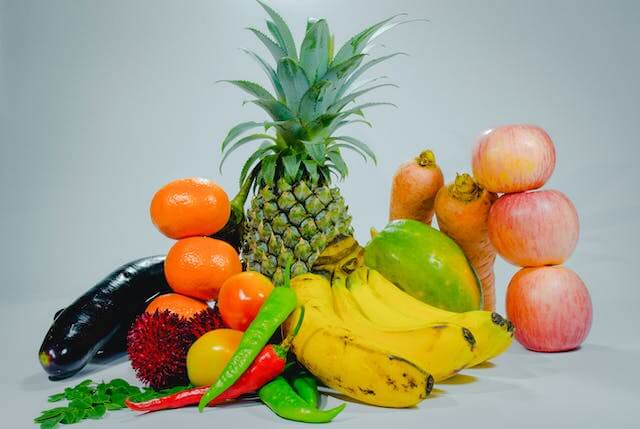
Parkinson’s disease (PD) is a disorder that shows its symptoms gradually, increasing in severity over time. It causes neurons (nerve cells in the brain and nervous system) to break down and die, affecting the function of the nervous system and body parts controlled by nerves. Tremors are often the first symptoms noticed. Other outward signs…
Read More...
A few decades ago, sleep was often considered a waste of time. Many people saw no reason not to “burn the candle at both ends” of the day, even going so far as saying, “I’ll sleep when I’m dead!”. Ironically, going along with that phrase is likely to make death come sooner than it might…
Read More...
Early in 2023 a new study was published that examined the relationship between consuming a meat-free diet and mental health issues such as depression and anxiety. Multiple evidence has illustrated the connections between the foods we eat and their impacts on our physical health, but research results on the effects of different foods on mental…
Read More...
In 2019, 57.4 million people around the world were suffering from dementia and this figure is predicted to rise to 152.8 million by 2050. Despite extensive research and the testing of many drugs showing potential to treat dementia, no cure has been found. But what about its prevention? (1) Magnesium is a necessary mineral for…
Read More...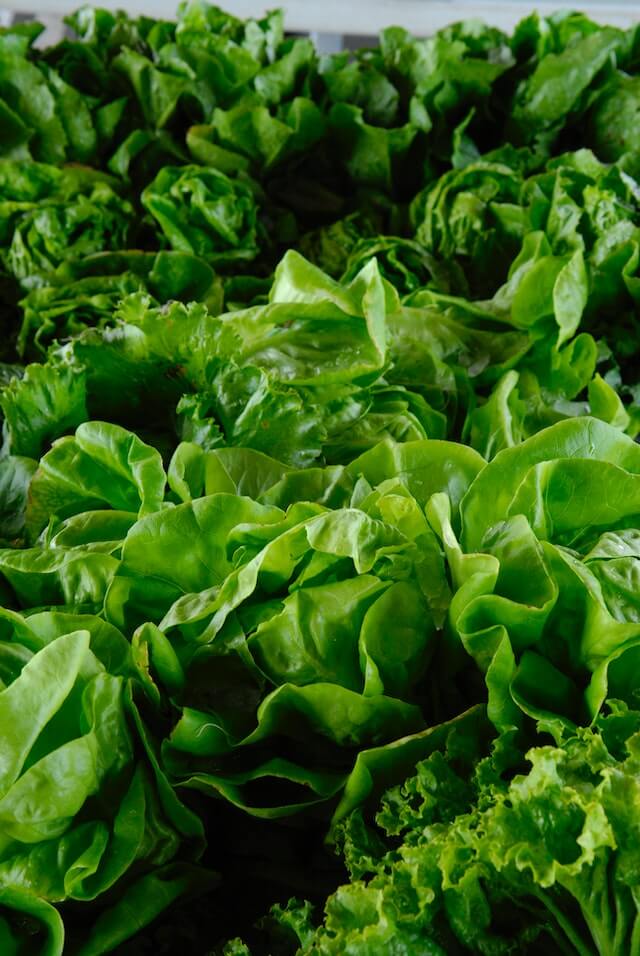
We all know that green leafy vegetables are healthy. The advice to “eat your greens” has been around for decades. Such greens include spinach, kale, cabbage, Brussels sprouts, chard, arugula, collard greens, beet greens, bok choy and lettuce. Indeed, leafy greens are full of healthy nutrients – fiber, antioxidants, vitamins, minerals and other super healthy…
Read More...Promoting a healthy adventurous lifestyle powered by plants and the strength of scientific evidence.

My name is Debra Harley (BScPhm) and I welcome you to my retirement project, this website. Over the course of a life many lessons are learned, altering deeply-rooted ideas and creating new passions.